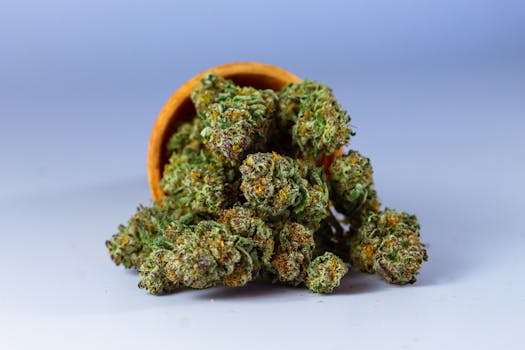

The mention of “Delta 9 THC” often conjures images of recreational escapism and potent psychoactive effects. While these associations aren’t entirely unfounded, they often overshadow the compound’s multifaceted nature. For those seeking a deeper understanding, moving beyond the superficial requires a more analytical lens. It’s crucial to recognize that Delta 9 THC, the primary psychoactive component of cannabis, is a complex molecule with a spectrum of effects, legal considerations, and therapeutic possibilities that warrant careful examination. Ignoring this nuance leaves a significant portion of its story untold.
The Endocannabinoid System: A Foundational Understanding
Before delving into the specifics of Delta 9 THC, a brief exploration of the endocannabinoid system (ECS) is paramount. This intricate biological system plays a vital role in regulating a myriad of physiological processes, including mood, sleep, appetite, and immune response. The ECS comprises cannabinoid receptors (CB1 and CB2), endogenous cannabinoids (endocannabinoids), and enzymes that synthesize and degrade these compounds. Delta 9 THC’s potency stems from its ability to bind to these receptors, particularly CB1 receptors, which are densely distributed in the brain. This interaction is the genesis of its well-known psychoactive and therapeutic effects, but it also highlights the intricate biological dance it performs within our bodies.
Navigating the Psychoactive Landscape of Delta 9 THC
The “high” associated with Delta 9 THC is a direct result of its interaction with CB1 receptors in the brain. This binding can lead to altered perceptions, euphoria, relaxation, and enhanced sensory experiences. However, the intensity and nature of these effects are far from uniform. Factors such as dosage, individual tolerance, method of consumption, and even the user’s mental state can profoundly influence the experience. For instance, consuming Delta 9 THC edibles often results in a delayed onset but a more prolonged and intense effect compared to inhalation. Understanding these variables is key to responsible and predictable engagement. It’s not simply a matter of “getting high”; it’s a nuanced pharmacological interaction.
Therapeutic Horizons: Beyond Recreational Use
While recreational use garners significant attention, the therapeutic potential of Delta 9 THC is increasingly recognized and explored. Its analgesic properties are well-documented, making it a candidate for managing chronic pain conditions, particularly when other treatments prove insufficient. Furthermore, research suggests its antiemetic effects can be invaluable for individuals undergoing chemotherapy, alleviating nausea and vomiting. For those suffering from appetite loss due to various conditions, Delta 9 THC has shown promise in stimulating hunger. Beyond these, its potential in managing symptoms of multiple sclerosis, epilepsy, and anxiety disorders is a burgeoning area of scientific investigation. This therapeutic facet adds a critical layer to the conversation around Delta 9 THC.
The Legal Labyrinth: A Patchwork of Regulations
The legal status of Delta 9 THC is a complex and constantly evolving landscape. Federally, in many countries, it remains a controlled substance. However, a growing number of jurisdictions have legalized or decriminalized cannabis for medical and/or recreational purposes. This creates a patchwork of regulations, where legality can vary significantly from one state or country to another. Understanding these distinctions is not merely a legal formality; it directly impacts access, product availability, and personal responsibility. For consumers and researchers alike, staying abreast of these legislative shifts is absolutely essential. The distinction between hemp-derived Delta 9 THC (often found in products with less than 0.3% by dry weight) and marijuana-derived Delta 9 THC is particularly crucial in navigating this legal gray area.
Responsible Consumption and Risk Mitigation
Given the potent nature of Delta 9 THC, responsible consumption practices are non-negotiable. This begins with understanding dosage. For new users, starting with an extremely low dose and gradually increasing it as needed is the most prudent approach. Familiarizing oneself with different consumption methods and their respective onset times and durations is equally important. In my experience, many individuals underestimate the potency of edibles due to their delayed effect, leading to discomfort. Furthermore, being in a safe and comfortable environment, especially when trying a new product or dosage, can significantly enhance the experience and mitigate potential anxiety. It’s also vital to be aware of potential interactions with other medications or substances.
The Future of Delta 9 THC: Research and Regulation
The trajectory of Delta 9 THC is intrinsically linked to ongoing scientific research and evolving regulatory frameworks. As more studies illuminate its therapeutic benefits and potential risks, policy decisions are likely to adapt. The development of more precise dosing methods, standardized product formulations, and clearer guidelines for medical applications are all on the horizon. It’s fascinating to observe how scientific inquiry continues to refine our understanding, moving us away from broad generalizations towards a more precise appreciation of this compound. The potential for innovation in cannabinoid-based therapies is immense, but it hinges on continued, robust research and a willingness to adapt regulations based on scientific evidence.
Final Thoughts: Embracing Nuance in the Delta 9 THC Dialogue
In conclusion, viewing Delta 9 THC solely through the lens of its psychoactive properties is to miss a significant part of its narrative. Its intricate interaction with the endocannabinoid system, its burgeoning therapeutic applications, and the ever-shifting legal landscape all contribute to a compound that demands a more sophisticated understanding. As consumers and informed citizens, we should champion a dialogue that embraces this complexity, prioritizing education, responsible use, and evidence-based policy. The journey to truly understand Delta 9 THC is ongoing, and it’s one that requires critical thinking and an open mind to the full spectrum of its potential.