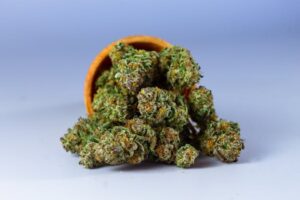

Remember when cannabis was just, well, cannabis? Things have gotten a whole lot more interesting, haven’t they? One of the biggest buzzwords swirling around lately is Delta 8. It’s popped up in gummies, vapes, tinctures – you name it. But what exactly is this stuff, and why is everyone talking about it? If you’ve been feeling a bit lost in the sea of new cannabinoids, you’re not alone. Think of me as your friendly guide, ready to break down Delta 8 in a way that actually makes sense, no jargon overload included.
We’re going to dive deep, explore its nuances, and help you figure out if this might be something worth exploring for yourself. Let’s cut through the noise and get to the good stuff.
So, What Exactly is Delta 8 THC?
At its core, Delta 8 tetrahydrocannabinol (Delta 8 THC) is a naturally occurring cannabinoid found in the cannabis plant. It’s an isomer of Delta 9 THC, the well-known compound that gives marijuana its psychoactive effects. Now, here’s where things get a bit technical but also fascinating. Delta 8 and Delta 9 THC share a very similar chemical structure, but there’s a crucial difference: the location of a double bond. In Delta 9, that bond is on the eighth carbon atom, while in Delta 8, it’s on the ninth.
This seemingly small difference has a significant impact on how these cannabinoids interact with your body’s endocannabinoid system. Because Delta 8 THC has a slightly different molecular structure, it binds differently to your CB1 receptors. This leads to a distinct set of effects that many people describe as a gentler, more clear-headed experience compared to Delta 9. It’s often characterized by a mild euphoria and relaxation without the intense anxiety or paranoia that some individuals can experience with higher doses of Delta 9.
The Curious Case of Hemp and Delta 8 Production
This is where the legality and availability of Delta 8 get really interesting, and frankly, a bit controversial. You see, while Delta 8 THC occurs naturally in cannabis, it’s usually in very small concentrations. To make it commercially viable, most Delta 8 products are made from CBD (cannabidiol) that’s been derived from hemp.
Thanks to the 2018 Farm Bill, hemp, defined as cannabis with less than 0.3% Delta 9 THC, is federally legal. This opened the floodgates for the production of hemp-derived cannabinoids, including Delta 8. The process typically involves converting CBD into Delta 8 THC using an acid catalyst. This is a chemical process, and it’s a big reason why understanding the source and manufacturing of your Delta 8 is so important. Transparency from brands is key here.
Unpacking the Effects: What Can You Expect?
This is probably the question on everyone’s mind! Based on anecdotal reports and the limited research available, the effects of Delta 8 THC are often described as a middle ground between the full effects of Delta 9 THC and the non-intoxicating properties of CBD.
Here’s a general rundown of what people often report:
Mild Euphoria: A pleasant sense of well-being and mood enhancement.
Relaxation: A calming effect that can help ease tension.
Clear-headedness: Many users report feeling less foggy or groggy compared to Delta 9.
Pain Relief: Some find it helpful for managing discomfort.
Appetite Stimulation: Similar to Delta 9, it can increase appetite.
It’s crucial to remember that everyone’s experience will be different. Factors like your individual body chemistry, the dosage, the product’s potency, and your tolerance level all play a significant role. Starting with a low dose and gradually increasing it is always the wisest approach, especially if you’re new to Delta 8.
Navigating the Wild West: Quality and Legality Considerations
Let’s be real for a second. The Delta 8 market, while exciting, is still relatively new and largely unregulated. This means quality can vary wildly from one brand to another. It’s like the Wild West out there! Because it’s chemically synthesized from hemp-derived CBD, there’s a risk of contaminants or byproducts if the extraction and conversion processes aren’t handled with utmost care and precision.
What should you look for?
Third-Party Lab Reports (COAs): This is non-negotiable. Reputable brands will have their products tested by independent labs, and they should readily share these Certificates of Analysis. These reports confirm the cannabinoid content and, crucially, check for any harmful contaminants like heavy metals, pesticides, or residual solvents.
Brand Reputation: Do your homework. Look for brands that are transparent about their sourcing and manufacturing processes. Online reviews and forums can be helpful, but always cross-reference information.
Product Type: Are you looking for a vape cartridge, a gummy, a tincture? Each has its own onset time and duration of effects. Vapes tend to kick in faster, while edibles take longer but can last longer.
Legality: While Delta 8 is federally legal if derived from hemp, some states have enacted their own bans or restrictions. It’s absolutely essential to check your local laws before purchasing or possessing Delta 8 products. This landscape is constantly evolving, so staying informed is key.
Thinking About Trying Delta 8? Here’s My Take.
If you’re curious about Delta 8 and its potential benefits, and you’ve done your research regarding the quality and legality in your area, starting with a low dose is the most sensible path forward. It’s not about chasing a heavy high; for many, it’s about finding a subtle way to enhance relaxation or improve general well-being without the more intense effects associated with Delta 9.
The key takeaway here is informed exploration. Don’t just grab the first product you see. Be a discerning consumer. Seek out brands that prioritize safety and transparency, and always, always* check your local regulations. The world of cannabinoids is fascinating and rapidly expanding, and understanding your options, like with Delta 8, empowers you to make the best choices for your own personal journey.
Wrapping Up: A Balanced Approach to Delta 8
Ultimately, Delta 8 offers an intriguing alternative within the cannabis spectrum. It’s a testament to the complex chemistry of the hemp plant and the ingenuity of cannabinoid extraction. While the potential for milder psychoactive effects, alongside reported therapeutic benefits, makes it appealing to many, it’s vital to approach it with a healthy dose of caution and education. The unregulated nature of the market means consumers must be vigilant, prioritizing product safety through rigorous lab testing and choosing brands committed to transparency.
As research continues to unfold and regulations hopefully become clearer, the Delta 8 landscape will undoubtedly shift. For now, the best advice I can offer is to proceed with an informed and mindful attitude. Understand what you’re consuming, where it comes from, and how it might affect you, and always ensure you’re adhering to local laws. Your well-being is paramount, and making knowledgeable decisions is the foundation for a positive experience with any hemp-derived product.