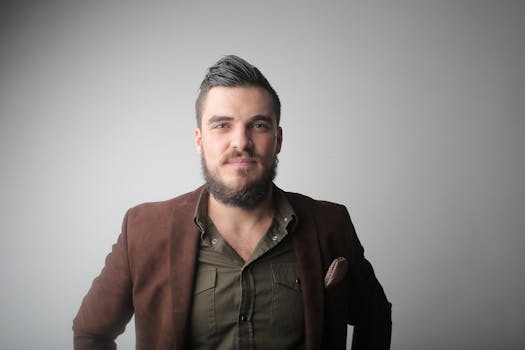

Is a headshot just a picture of your face? If you’ve ever scrolled through LinkedIn, browsed a company website, or even looked up a new service provider, you’ve encountered them. They’re ubiquitous. Yet, how often do we truly consider the power, the intention, and the subtle psychology packed into a single, well-executed Headshot Photo? It’s easy to dismiss them as a mere formality, a checkbox on a professional to-do list. But peel back the layers, and you’ll find that a great headshot is far more than just a flattering image; it’s a strategic tool, a curated first impression, and often, the silent ambassador of your personal brand.
Why Does Your Headshot Matter So Much?
We live in a visually driven world. Before anyone reads your resume, listens to your pitch, or even engages with your content, they’ve likely seen your face. This initial visual encounter shapes perceptions, builds trust, and can even influence decisions. Think about it: when you’re looking for a professional to connect with, which profile are you more drawn to – one with a blurry, casual selfie, or one featuring a clear, confident, and approachable image? The difference isn’t just aesthetic; it’s about conveying professionalism, competence, and approachability. A strong headshot tells a story before you even speak.
Beyond the Smile: What Makes a “Good” Headshot?
This is where things get interesting, and where many misconceptions lie. A good headshot isn’t necessarily the one where you’re smiling the widest or wearing your fanciest attire. It’s about capturing the essence of who you are professionally and how you want to be perceived.
Authenticity: Does the photo genuinely reflect your personality? Trying to appear as someone you’re not often backfires.
Professionalism: Does it align with the industry you’re in and the audience you’re trying to reach? A creative professional might opt for something more artistic, while a finance executive might lean towards a more traditional, conservative look.
Approachability: Do you look like someone people would want to work with or talk to? Eye contact and a relaxed, open expression are key here.
Clarity: Is the focus sharp? Is the lighting flattering and consistent? Is the background distracting? These technical elements are crucial.
It’s about finding that sweet spot between looking professional and looking human. I’ve often found that the most effective headshots are the ones that make you feel a connection, even if it’s just a fleeting one.
The Nuances of the Shoot: Lighting, Pose, and Background
The actual process of creating a Headshot Photo involves several critical decisions that impact the final outcome.
#### The Dance of Light and Shadow
Lighting isn’t just about visibility; it’s about mood and form.
Natural Light: Often favored for its soft, flattering quality. A window-lit portrait can feel warm and inviting.
Studio Lighting: Allows for more control, enabling photographers to sculpt features, minimize distractions, and create specific moods. Softboxes and beauty dishes are common tools to achieve a polished look.
Avoiding Harsh Shadows: Overly harsh shadows can make someone look severe or unapproachable. A skilled photographer knows how to use light to highlight features positively.
#### Posing with Purpose
It’s not just about standing there; it’s about subtle cues.
The Angle of the Head: A slight tilt can add dynamism.
Shoulder Position: A subtle turn can create a more engaging profile.
Mouth Expression: A genuine, relaxed smile is often ideal, but a thoughtful, neutral expression can also be powerful depending on the context.
Eye Contact: Direct eye contact with the camera builds immediate connection and conveys confidence.
#### The Unsung Hero: The Background
The background should support, not compete with, your image.
Simple and Uncluttered: Solid colors or subtle textures are often best to keep the focus squarely on you.
Blurred Backgrounds (Bokeh): This technique effectively isolates the subject and adds a professional depth of field.
Environmental Headshots: In some cases, a background that hints at your profession or location can be effective, but it must be executed thoughtfully.
Common Pitfalls to Navigate
Even with the best intentions, there are a few common traps that can derail the effectiveness of a headshot.
The “Too Casual” Selfie: While convenient, phone selfies often lack the professional polish, flattering lighting, and intentional composition that a dedicated headshot provides.
Outdated Images: Using a photo that’s significantly older than your current appearance can create a disconnect.
Over-editing: Excessive retouching can remove natural features, making the image look artificial and less trustworthy.
Ignoring Your Industry: A headshot that works for an actor might not be suitable for a lawyer, and vice-versa.
Investing in Your Professional Narrative
Ultimately, a Headshot Photo is an investment in how you present yourself to the world. It’s a small detail that can have a significant impact on your career, your business, and your professional reputation. In a crowded digital landscape, a compelling headshot helps you stand out, communicate your value, and build rapport before you even have a chance to speak.
The Final Impression: Make it Count
So, the next time you consider your professional online presence, don’t just think about a “picture.” Think about your Headshot Photo as a deliberate, strategic element of your personal brand. It’s your digital handshake, your silent introduction, and a powerful first impression that can open doors. Investing a little time and thought into creating a truly effective headshot isn’t vanity; it’s smart business.