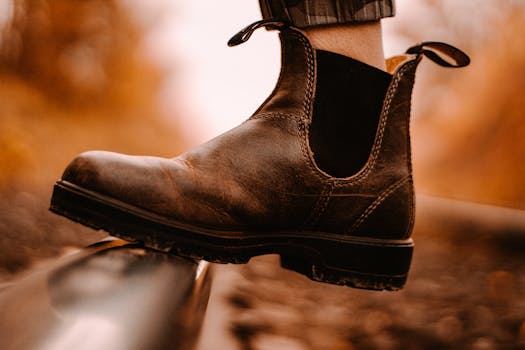

It’s easy to dismiss the Chelsea boot as merely another fleeting fashion item, a ubiquitous sight on city streets and in countless online lookbooks. But to do so is to miss the profound, almost architectural, quality that has cemented its status as a perennial wardrobe staple for over a century. I’ve often found that true style icons aren’t defined by their adherence to the latest fads, but by their ability to master timeless silhouettes. And in this regard, the Chelsea boot stands as a quiet titan. It’s more than just footwear; it’s a statement of understated elegance and pragmatic versatility.
A Brief History: From Royal Courts to Rebel Souls
The origins of the Chelsea boot trace back to the Victorian era, famously associated with Queen Victoria’s cobbler, J. Sparkes-Hall. The elasticated side gusset, the defining feature of the boot, was a revolutionary innovation, offering unparalleled ease of wear compared to the buttoned or laced boots of the time. This practicality, coupled with a sleek, ankle-hugging silhouette, quickly made them a favourite among the fashionable elite.
However, their journey didn’t stop at the drawing rooms. By the mid-20th century, the Chelsea boot had been adopted by a different kind of icon: the mods of London in the 1960s. Its clean lines and sharp aesthetic perfectly complemented the era’s sharp suits and burgeoning youth culture. This dual heritage—from royal approval to counter-cultural embrace—is a testament to the boot’s inherent adaptability. It’s a shoe that can transition from the boardroom to the concert hall with equal aplomb.
Deconstructing the Silhouette: What Makes a Chelsea Boot Tick?
At its core, the Chelsea boot is defined by a few key elements:
The Elasticated Side Gusset: This is the non-negotiable feature. Typically made from elastic or a similar stretchy material, it runs up the ankle on both sides, allowing for easy on and off without laces or buckles. Its colour often matches the upper material, contributing to the boot’s seamless look.
Ankle Height: They are, by definition, ankle boots, sitting just at or slightly above the ankle bone. This length offers a flattering line and pairs well with a variety of trousers.
Sleek Profile: Chelsea boots are generally slim-fitting, hugging the foot and ankle without being overly constricting. This streamlined appearance is crucial to their inherent elegance.
Absence of Laces/Buckles: While variations exist, the classic Chelsea boot foregoes traditional closures, relying solely on the elastic gusset.
These design principles create a shoe that is both incredibly practical and aesthetically refined. It’s this minimalist design that allows them to be dressed up or down with such remarkable ease.
Navigating the Materials: Leather vs. Suede and Beyond
The choice of material significantly impacts the character and versatility of a Chelsea boot.
#### The Classic Leather Chelsea
Leather is, of course, the traditional and most enduring choice.
Smooth Calfskin: This is the go-to for a formal or smart-casual look. Polished calfskin leather presents a sophisticated sheen, making it an excellent companion for suits, tailored trousers, and even chinos when you’re aiming for a sharper ensemble.
Full-Grain Leather: Often possessing a more rugged texture and developing a beautiful patina over time, full-grain leather Chelsea boots offer a durable and handsome option for everyday wear. They can handle a bit more wear and tear.
#### The Tactile Charm of Suede
Suede Chelsea boots offer a softer, more casual, and often richer aesthetic.
Versatility in Texture: The napped surface of suede adds a layer of visual interest that smooth leather can’t quite replicate.
Styling Considerations: While undeniably stylish, suede is more susceptible to water and stains. For this reason, suede Chelsea boots often lean towards smart-casual or casual outfits. They pair exceptionally well with denim, corduroy, and lighter wool trousers.
#### Beyond the Norm: Exploring Other Options
While leather and suede dominate, don’t overlook:
Patent Leather: For the truly adventurous or for specific formal occasions, patent leather Chelsea boots offer an undeniable high-shine statement.
Exotic Leathers: In more premium offerings, you might find Chelsea boots crafted from materials like mock-croc or even snake-effect leather, pushing the boundaries of classic design.
When selecting, consider your existing wardrobe and the typical occasions you’ll be wearing them for. A well-chosen material will elevate the boot from a simple shoe to a considered style choice.
Styling Your Chelsea Boots: A Masterclass in Versatility
This is where the Chelsea boot truly shines. Its inherent design makes it remarkably adaptable.
#### The Formal Edge
For a suit or a sharp blazer and trousers combination, opt for smooth, polished leather in black or a dark brown. Ensure the trousers have a clean break or are slightly cropped to showcase the boot’s silhouette without overwhelming it. A well-maintained leather Chelsea boot can easily substitute for a dress shoe in many semi-formal settings.
#### The Smart-Casual Conundrum
This is arguably the Chelsea boot’s sweet spot.
Chinos and Jeans: Dark wash, slim-fit jeans or well-fitting chinos in navy, grey, olive, or beige are perfect pairings. For a more relaxed feel, consider a suede Chelsea boot.
The Knitwear Connection: A fine-gauge merino wool sweater or a textured crew-neck jumper can effortlessly bridge the gap between casual and refined when worn with Chelsea boots.
#### Embracing the Casual Vibe
Even for more laid-back looks, the Chelsea boot holds its own.
Denim Dominance: A classic pair of straight-leg or slim-fit blue jeans is a foolproof combination.
Layering: Think casual jackets like a bomber, a field jacket, or even a well-worn leather jacket. The boot’s clean lines prevent the overall look from becoming sloppy.
A Pro Tip: The key to successful styling lies in the proportions. Ensure your trousers don’t bunch excessively around the boot. A slight taper or a cuffed hem often works wonders.
Longevity and Care: Ensuring Your Investment Endures
The enduring appeal of Chelsea boots also lies in their potential for longevity, provided they receive proper care.
Regular Cleaning: Wipe down leather boots after each wear to remove dust and dirt. Suede requires a specialised brush to maintain its nap and remove surface marks.
Conditioning (Leather): Use a good quality leather conditioner periodically to keep the material supple and prevent cracking.
Waterproofing/Protection: For both leather and suede, investing in a quality waterproofing spray is highly recommended, especially if you live in a damp climate or anticipate wearing them in inclement weather.
Shoe Trees: Cedar shoe trees are invaluable. They absorb moisture, help boots retain their shape, and impart a pleasant scent. Insert them as soon as you take your boots off.
* Sole Inspection: Pay attention to the soles. If they begin to wear thin, seek out a cobbler to have them resoled. This is a far more economical and sustainable solution than replacing the entire boot.
## The Final Verdict: A Wardrobe Pillar
The Chelsea boot is not merely a shoe; it’s a testament to intelligent design and enduring style. Its historical pedigree, coupled with its remarkable versatility and adaptability across various materials and occasions, solidifies its position as a true wardrobe pillar. Whether you’re aiming for a sharp, sophisticated look or a more relaxed, yet polished, ensemble, the right pair of Chelsea boots can elevate your outfit with an almost effortless grace. In my experience, investing in a well-made pair, understanding the nuances of their construction and materials, and committing to their proper care are the keys to unlocking decades of stylish wear. They are, quite simply, an indispensable component of the modern, discerning wardrobe.