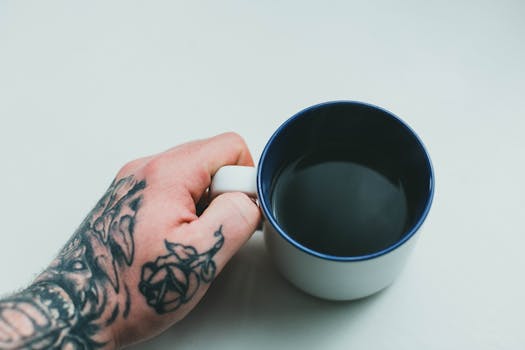

Imagine a quiet evening, the day’s demands finally receding. For many, the thought of a drink arises not as a conscious decision to get drunk, but as an almost automatic reflex, a familiar comfort. This ingrained ritual, so common yet so complex, begs a deeper examination into why people develop drinking habits. It’s rarely a singular cause; rather, it’s a confluence of social conditioning, psychological needs, and biological predispositions that weave together to form these often-unquestioned patterns. Understanding these underlying mechanisms is crucial for anyone seeking to comprehend their own relationship with alcohol, or that of others.
The Social Dance: Alcohol as a Cultural Lubricant
From ancient toasts to modern happy hours, alcohol has been deeply embedded in human social structures. We observe, we imitate, and we adapt. This isn’t merely about liking the taste; it’s about belonging. In many circles, alcohol facilitates social interaction, lowers inhibitions, and offers a shared experience. Think about it: how often is a celebration, a business meeting, or even a casual catch-up accompanied by alcohol? This pervasive presence normalizes its consumption, making it seem like an almost unavoidable component of social life.
Peer Influence: Adolescence and early adulthood are particularly susceptible periods. Observing friends or role models drink can create a perception that it’s a necessary step towards social acceptance or maturity.
Celebratory Rituals: Major life events, holidays, and even small victories are frequently marked with a drink. This association imprints alcohol as a symbol of joy and reward.
Stress Relief and Camaraderie: Sharing a drink after a long day with colleagues or friends can foster a sense of shared experience and mutual understanding, a perceived balm for societal pressures.
The Inner Landscape: Coping Mechanisms and Emotional Regulation
Beyond the social facade, the reasons why people develop drinking habits often delve into the intricate landscape of the human psyche. For many, alcohol serves as an immediate, albeit temporary, solution to discomfort. It’s a way to mute the internal noise, to escape rumination, or to numb emotional pain. This coping mechanism, while seemingly effective in the short term, creates a powerful feedback loop.
Anxiety and Stress Reduction: Alcohol’s depressant effects can temporarily alleviate feelings of anxiety and stress. This immediate relief can quickly become a go-to strategy for managing difficult emotions.
Escapism from Negative Feelings: Sadness, loneliness, anger, or boredom can all be temporarily blunted by alcohol. The desire to avoid these unpleasant states can drive regular consumption.
Self-Medication for Underlying Conditions: It’s increasingly recognized that individuals might self-medicate for undiagnosed or untreated mental health conditions like depression, anxiety disorders, or PTSD. Alcohol can offer a semblance of relief, reinforcing the behavior.
The Biological Undercurrent: Genetics and Neurochemistry at Play
Our biology also plays a significant, often overlooked, role in why people develop drinking habits. Genetics can influence our susceptibility to alcohol dependence, affecting how our bodies metabolize alcohol and how rewarding we find its effects. Furthermore, the neurochemical changes alcohol induces create a powerful reinforcement system.
Genetic Predisposition: Studies have shown that certain genetic markers can increase an individual’s risk of developing alcohol use disorder. This doesn’t predetermine a person’s fate, but it does highlight an inherent vulnerability for some.
The Reward Pathway: Alcohol stimulates the release of dopamine, a neurotransmitter associated with pleasure and reward. This creates a positive reinforcement loop, making the brain crave the feeling alcohol provides.
Tolerance and Withdrawal: With repeated use, the body develops tolerance, requiring more alcohol to achieve the same effect. When alcohol is withdrawn, unpleasant physical and psychological symptoms (withdrawal) can occur, further driving continued use to avoid these sensations.
The Habit Formation Loop: From Choice to Compulsion
At its core, habit formation is about efficiency. The brain seeks to automate behaviors that are repeated and associated with a reward or the avoidance of a negative state. Drinking, especially when it becomes a regular response to social cues, emotional triggers, or stress, can easily transition from a deliberate choice to an automatic habit.
Cue-Routine-Reward: A classic habit loop involves a cue (e.g., finishing work, feeling stressed), a routine (pouring a drink), and a reward (feeling relaxed, escaping thoughts). Over time, the cue becomes increasingly powerful in triggering the routine.
Automaticity: As the habit solidifies, the conscious deliberation diminishes. The act of reaching for a drink becomes almost involuntary, a deeply ingrained pattern of behavior.
The Illusion of Control: Many people who develop problematic drinking habits genuinely believe they can stop anytime, underestimating the powerful conditioning that has taken place.
Navigating the Nuances: Towards Conscious Consumption
Understanding why people develop drinking habits is not about judgment, but about illumination. It’s about recognizing the intricate interplay of social pressures, psychological needs, and biological factors that contribute to these patterns. For some, this understanding might pave the way for mindful consumption, for others, it might be the first step in seeking support to change a habit that has become detrimental.
The Deeper Significance of Understanding Drinking Habits
Ultimately, the question of why people develop drinking habits invites us to look beyond superficial explanations and confront the multifaceted realities of human behavior. It’s a journey that acknowledges our social nature, our internal struggles, and our biological makeup, all converging to shape our relationship with substances like alcohol. By unpacking these complex drivers, we equip ourselves with greater empathy, a clearer understanding of addiction, and the potential for more informed, intentional choices regarding alcohol in our lives.