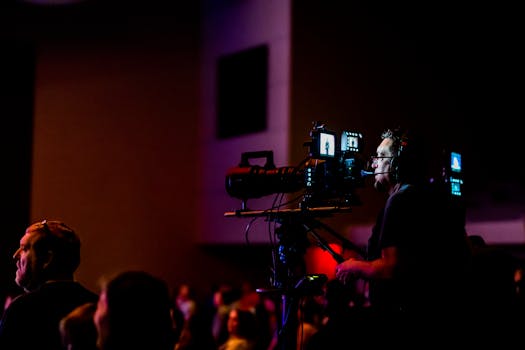

Did you know that a staggering 85% of consumers say live events significantly impact their purchasing decisions? In a world saturated with digital noise, the tangible connection forged at a well-executed event is more potent than ever. But behind every seamless gala, electrifying conference, or vibrant festival lies a complex orchestration of planning, creativity, and meticulous execution. This is the realm of event production, where vision meets reality, and where the smallest detail can elevate an occasion from ordinary to extraordinary. It’s not just about putting on a show; it’s about crafting an experience that resonates long after the last guest departs.
From Concept to Curtain Call: The Core of Event Production
At its heart, event production is the comprehensive process of bringing an event to life. This encompasses everything from the initial brainstorming and conceptualization to the final breakdown and post-event analysis. It’s a multi-faceted discipline requiring a blend of logistical prowess, creative flair, technical expertise, and exceptional people management. Think of it as conducting a symphony; each element – the venue, the talent, the technology, the catering, the guest experience – must be harmonized perfectly to create a breathtaking performance.
#### Defining Your Event’s DNA: The Crucial First Steps
Before a single cable is run or a single speaker is booked, you need to understand the “why” and “who” of your event. This foundational phase is non-negotiable for effective event production.
Clarify Objectives: What do you want to achieve? Is it lead generation, brand awareness, employee morale, or a celebration? Having clear, measurable goals will guide every subsequent decision.
Know Your Audience: Who are you trying to reach? Understanding their demographics, interests, and expectations is paramount. This dictates everything from the event’s theme and tone to the type of entertainment and networking opportunities.
Set the Vision: What’s the overall feeling or atmosphere you want to create? This involves visual branding, thematic elements, and the emotional journey you want attendees to experience.
Navigating the Labyrinth: Essential Event Production Elements
Once the vision is clear, the real work of production begins. This involves tackling a series of interconnected components, each demanding careful attention.
#### The Technical Backbone: Sound, Light, and AV
This is where many events truly shine or falter. The right audiovisual (AV) setup can immerse your audience, convey your message powerfully, and create a memorable atmosphere.
Sound Design: Clear audio is non-negotiable. This means selecting appropriate microphones, speakers, and sound mixers for the venue size and type of event. For live music or presentations, ensuring excellent sound quality keeps attendees engaged and prevents frustration.
Lighting Magic: Lighting transforms a space. From subtle ambient glows to dramatic spotlighting, it sets the mood, highlights key areas, and can even tell a story. Dynamic lighting can energize a crowd or create an intimate feel, depending on your goals.
Visual Storytelling with AV: Projection, screens, video playback, and live streaming all fall under this umbrella. High-quality visuals can enhance presentations, showcase branding, and provide engaging content for attendees. I’ve often found that creatively integrated video elements can dramatically increase audience impact.
#### Crafting the Guest Journey: From Arrival to Departure
A successful event is one where attendees feel welcomed, comfortable, and engaged throughout their entire experience. This is the guest journey, and it requires thoughtful design.
Seamless Registration & Check-in: The first impression matters. A smooth and efficient check-in process, whether digital or in-person, sets a positive tone. Long queues or confusing procedures can immediately dampen enthusiasm.
Intuitive Navigation: Ensure clear signage and readily available staff to guide guests around the venue. They should easily find restrooms, session rooms, catering areas, and exits.
Engagement & Interaction: Beyond the main program, consider how guests will interact. Networking opportunities, interactive workshops, photo booths, or even gamified elements can significantly boost engagement and create memorable moments.
Comfort and Amenities: Adequate seating, comfortable temperatures, accessible facilities, and well-stocked refreshments are basic but crucial considerations.
Mastering the Art of Logistics: The Unsung Heroes
Behind every seemingly effortless event is a web of complex logistical planning. This is the operational backbone that keeps everything running smoothly.
#### Venue Selection: The Foundation of Your Event
Choosing the right venue is perhaps the most critical early decision in event production. It influences capacity, atmosphere, technical capabilities, and budget.
Capacity and Layout: Does it comfortably accommodate your expected number of attendees? Is the layout suitable for your program flow?
Technical Infrastructure: What AV capabilities, Wi-Fi strength, and power outlets are available?
Accessibility: Is it easy to reach by public transport and does it offer adequate parking? Is it accessible for individuals with disabilities?
Ambience and Style: Does it align with your event’s overall vision and brand?
#### Budget Management: The Financial Blueprint
A well-defined budget is your roadmap to financial success. It requires careful allocation of resources and vigilant tracking to prevent overspending.
Detailed Breakdown: Itemize all potential costs, from venue rental and catering to marketing and staffing.
Contingency Planning: Always build in a buffer (typically 10-15%) for unforeseen expenses. It’s interesting to note how often unexpected costs arise, making this buffer invaluable.
Negotiation Skills: Don’t be afraid to negotiate with vendors to secure the best possible rates.
Bringing It All Together: The Production Team and Communication
No event production is a solo act. It requires a skilled, coordinated team and crystal-clear communication.
#### Assembling Your Dream Team
Production Manager: The conductor of the orchestra, overseeing all logistical and operational aspects.
Technical Director: The wizard behind the curtain, managing all AV, lighting, and sound.
Stage Manager: The critical link on the day, ensuring the program runs on schedule and cues are hit.
Logistics Coordinator: Handles venue liaison, vendor management, and on-site operations.
Creative Director/Designer: Brings the visual and thematic elements to life.
#### The Power of Clear Communication
Regular Briefings: Keep all team members informed of updates, changes, and responsibilities.
Clear Briefs: Provide detailed briefs for all vendors and staff, outlining expectations, schedules, and contact information.
* Contingency Plans: Have backup plans for everything – technical failures, weather issues, speaker cancellations. This proactive approach is a hallmark of professional event production.
Beyond the Event: Measuring Success and Future Growth
The work doesn’t stop when the last attendee leaves. Post-event analysis is crucial for understanding what worked, what could be improved, and for demonstrating ROI. Gathering feedback through surveys, analyzing attendance data, and reviewing financial reports all contribute to this process. This learning loop is essential for refining future event production strategies and ensuring continued success.
In essence, mastering event production means embracing complexity with grace, anticipating challenges with foresight, and always keeping the attendee experience at the forefront. It’s about weaving together countless threads of detail into a cohesive and impactful tapestry that leaves a lasting impression.